Athreya Ayurvedic Center is NABH accredited – India’s highest healthcare quality certification

Panchakarma Treatment in Kerala at Athreya Ayurvedic Centre
For centuries, Panchakarma has been Ayurveda’s most profound method of restoring health — a complete system of cleansing that purifies the body, balances the mind, and awakens the natural rhythm of healing.
What Is Panchakarma?
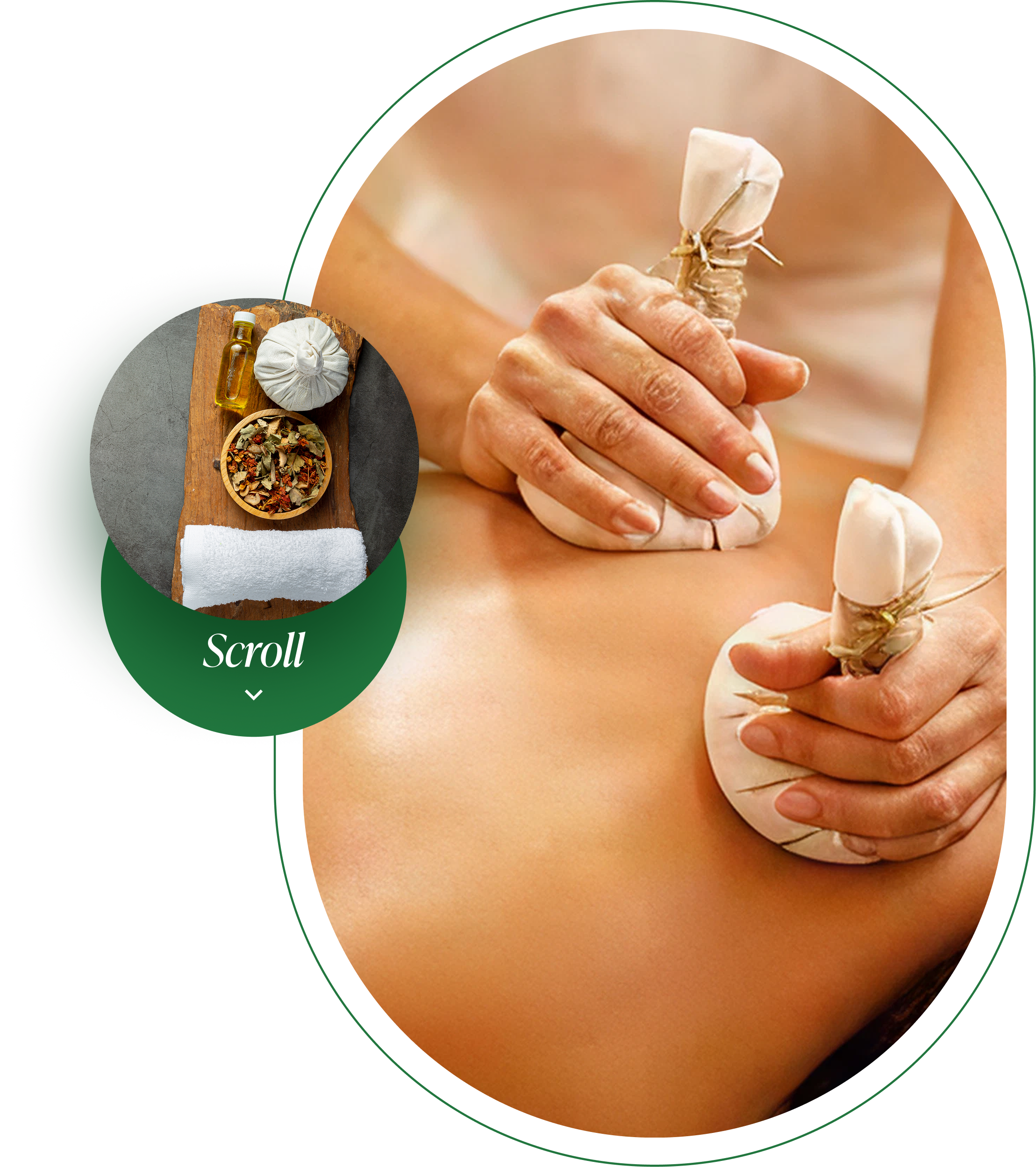
Panchakarma is Ayurveda’s most powerful cleansing therapy — a structured, scientific detox that removes deep-rooted toxins from the body. When done correctly, Panchakarma restores digestive strength, balances the doshas, improves immunity, and resets the body’s healing response.
At Athreya Ayurvedic Centre in Kerala, Panchakarma is performed only after a complete doctor-led diagnosis, ensuring safety, precision, and long-term results.
Benefits of Panchakarma
Guests commonly report improvements in:
Chronic fatigue & low energy
Hormonal imbalance
Hair fall & dandruff
Stress, anxiety, insomnia
Post-viral and post-COVID complications
Digestive issues (IBS, bloating, acidity)
Skin conditions (eczema, psoriasis)
Joint pain, arthritis, back pain
Metabolic issues (weight fluctuations, prediabetes)
Why Choose Athreya for Panchakarma in Kerala?
A complete system of care designed to heal, reset, and empower lasting change.
Doctor-Led Treatment (No Generic Packages)
Your Panchakarma plan is personally designed and overseen by our medical directors, tailored to your body type, health history, and current condition.
Medicines Prepared In-House
All herbal oils and medicines used during Panchakarma are prepared in our own pharmacy using herbs grown on our farm. This ensures purity, potency, and authentic results.
Daily Treatment
Review
Your plan is refined each day according to how your body responds — ensuring safety, precision, and maximum healing.
Trusted by Guests from 120+ Countries
Athreya has built global trust through consistent results rather than marketing. We are also honoured with 14+ consecutive TripAdvisor awards and NABH accreditation.
How Panchakarma Works at Athreya
01

Ayurvedic Diagnosis
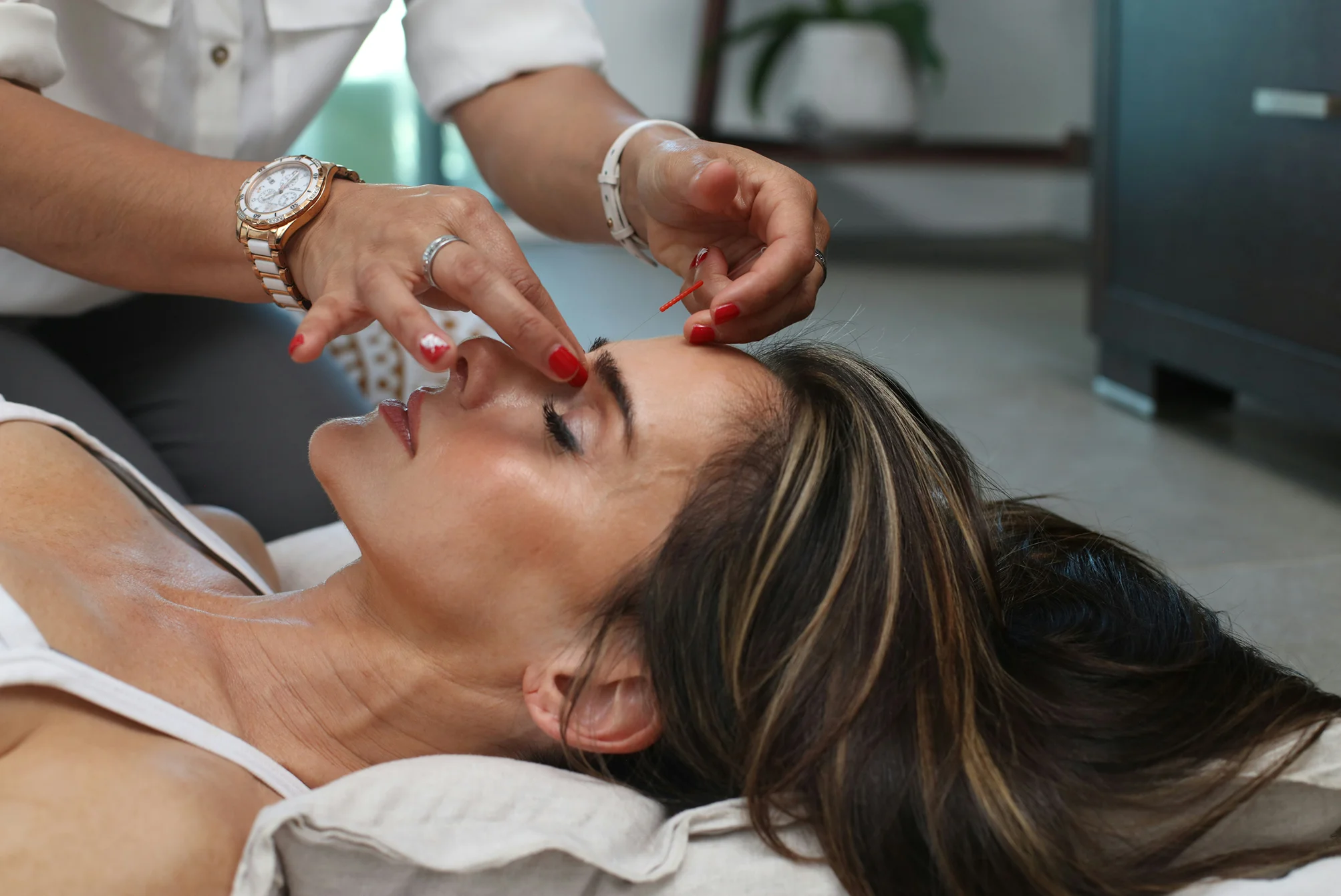
Your Panchakarma begins with a detailed physician consultation, and the assessment includes key factors that determine the type and intensity of your personalized program.
Assessment Includes:
Health history
Digestive strength
Dosha imbalance
Root cause of symptoms
Suitability for detox
02
Purvakarma
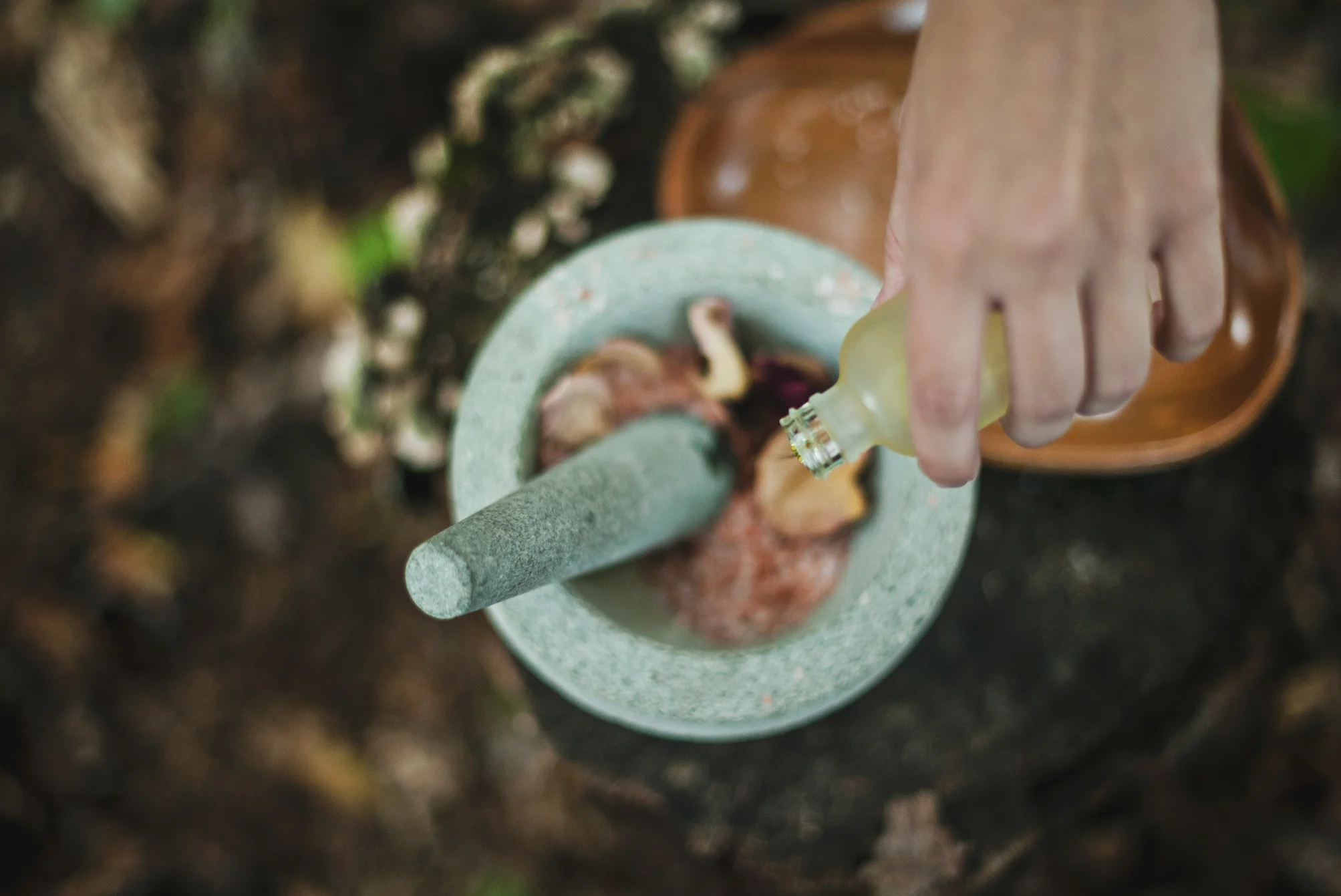
Before the actual detox begins, your body goes through a carefully planned preparation phase. This stage ensures that your system is open, balanced, and ready to release deep-seated toxins without strain.
Preparation phases:
Abhyanga (oil therapies)
Swedana (herbal steam)
Internal lubrication
Digestive strengthening
03
Pradhanakarma
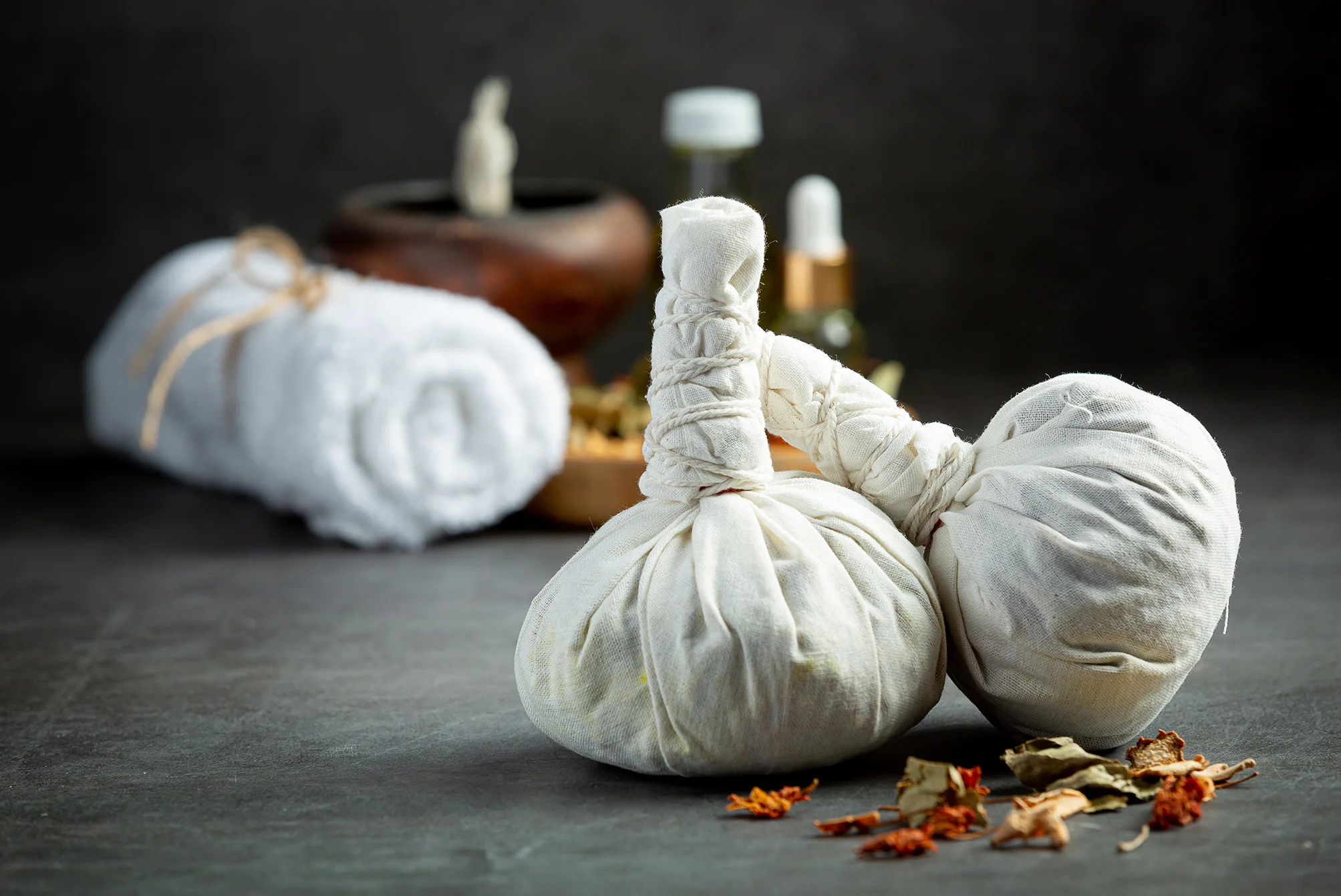
Once your diagnosis is complete, your doctor chooses the exact classical Panchakarma procedures suited to your body type, health condition, and treatment goals.
Therapies Include:
Vamana – therapeutic cleansing
Virechana – medicated purgation
Vasthi – medicated enema
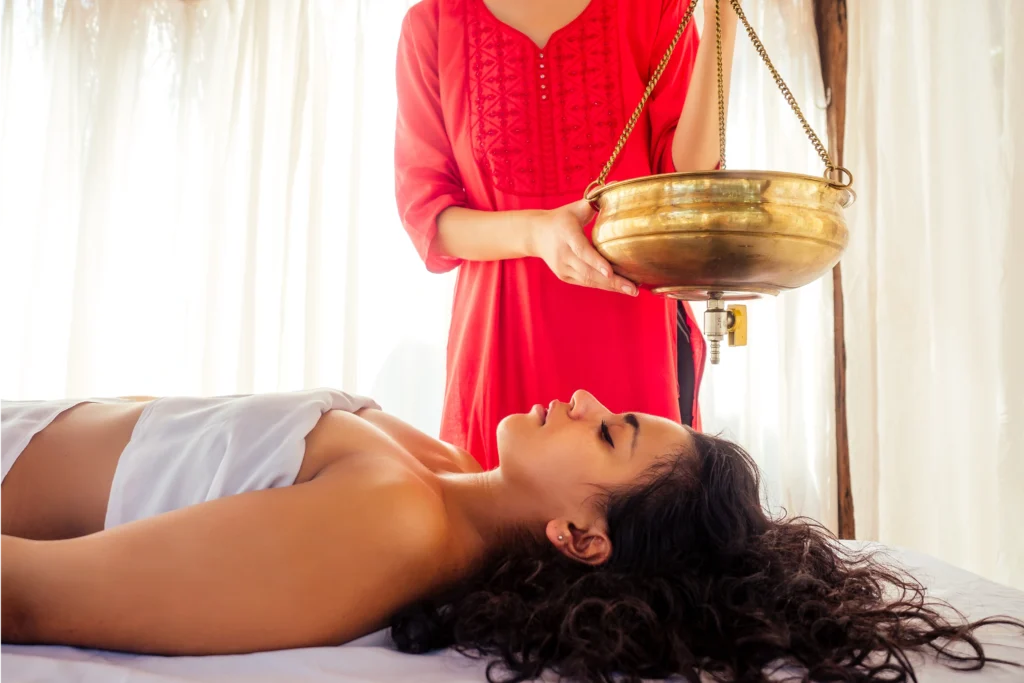
Nasyam – nasal detoxification
Raktamokshana (when clinically indicated)
04
Paschatkarma
Once the detox is complete, your body enters a restoration phase where strength, digestion, and immunity are gradually rebuilt. This stage is essential for maintaining the benefits of Panchakarma and helping your system settle into a healthier rhythm.
Post-Care Includes:
Herbal medicines (made onsite)
Rejuvenating therapies
Diet designed to rebuild digestive fire
Lifestyle recommendations
Follow-up consultations

Ideal Duration for Panchakarma
14 days – Light to moderate detox
21 days – Moderate to deep detox
28 days – Intensive, medically guided detox and rejuvenation
Your doctor will recommend the right duration based on your condition and body readiness.
Who Should Consider Panchakarma?
Panchakarma is suitable for:
Individuals with chronic health issues
Those experiencing burnout or lifestyle stress
Anyone wanting a scientifically guided Ayurvedic detox
Guests seeking prevention, rejuvenation, and deeper healing
If Panchakarma is not suitable immediately, you’ll be guided through preparatory therapies first.
Plan Your
Panchakarma Program
Whether you’re preparing for a 14-day detox or a deeper 28-day stay, we’ll help you understand
What Makes Athreya One of the Best Panchakarma Centres in Kerala
180-year Ayurvedic lineage
NABH-certified medical centre
In-house herbal pharmacy
Doctor-led, customised Panchakarma plans
Calm, non-touristic environment focused purely on healing
Science-backed diagnosis + authentic Ayurvedic procedures
Frequently Asked Questions
Everything you need to know about Panchakarma before you begin.
What is Panchakarma?
Panchakarma is Ayurveda’s most complete system of therapeutic detoxification and rejuvenation. The word means “five actions” — referring to five classical cleansing procedures that systematically remove accumulated toxins (Ama) from the body’s deep tissues, restore the balance of the doshas, and reset the body’s innate healing capacity. Unlike general wellness treatments or detox diets, Panchakarma is a medically supervised clinical process that prepares the body through a phase of deep oleation and sweating, delivers the core purification therapies, and then carefully rebuilds and nourishes the tissues that have been cleansed. At Athreya, Panchakarma is administered in its classical, physician-prescribed form — not as a condensed or commercially adapted version.
What are the five procedures in Panchakarma?
The five classical Panchakarma procedures are Vamana — therapeutic emesis that primarily addresses Kapha imbalances and respiratory conditions; Virechana — therapeutic purgation that clears Pitta-related toxins from the liver, blood, and digestive tract; Vasti — medicated enema therapy, considered the most powerful of the five for Vata conditions and deep tissue cleansing; Nasya — administration of medicated oils or herbal preparations through the nasal passage, targeting the head, neck, and nervous system; and Raktamokshana — bloodletting therapy, used selectively for specific blood-borne conditions. Not all five procedures are administered to every guest. Your physician determines which specific procedures are appropriate based on your Prakriti, current imbalance, and health condition.
Who is Panchakarma suitable for?
Panchakarma is suitable for a wide range of people — those with chronic health conditions seeking root-cause treatment, those who are generally healthy but wish to prevent disease and restore vitality, those experiencing burnout, hormonal imbalance, digestive dysfunction, joint conditions, skin disorders, or stress-related illness, and those seeking deep rejuvenation as part of a regular annual health practice. It is not recommended during pregnancy, in acute fever or infection, in cases of extreme physical weakness or severe cardiac conditions, or immediately post-surgery. Your physician will conduct a thorough assessment before prescribing any Panchakarma procedure to ensure it is appropriate for your current state of health.
How is Panchakarma at Athreya different from what other centres offer?
This distinction matters. Many centres use the word Panchakarma to describe a collection of oil massages and steam treatments — which are preparatory therapies, not Panchakarma itself. Classical Panchakarma involves the core purification procedures — Vamana, Virechana, Vasti, Nasya, or Raktamokshana — which require qualified physician prescription, careful preparation of the body, and clinical supervision throughout. At Athreya, Panchakarma is practised exactly as the classical texts describe — physician-designed, preparation-complete, and procedure-appropriate. Athreya’s 180-year physician heritage and NABH accreditation are the assurance that what is called Panchakarma here is what Panchakarma actually is.
What does a Panchakarma programme at Athreya look like day to day?
A Panchakarma programme at Athreya moves through three distinct phases. The first phase — Purvakarma — involves systematic preparation of the body through internal oleation (medicated ghee administered in increasing doses) and external oleation through daily Abhyanga and Swedana. This phase loosens toxins from deep tissues and moves them toward the digestive tract for elimination. The second phase delivers the core purification procedure prescribed for you — Virechana, Vasti, Nasya, or others — under physician supervision. The third phase — Paschatkarma — is a carefully managed rebuilding phase where the digestive system and tissues are progressively restored through specific dietary protocols and rejuvenating herbal formulations. Your physicians review your progress through every phase and adjust your treatment when needed.
How long does a Panchakarma programme take at Athreya?
A meaningful, complete Panchakarma programme requires a minimum of 14 days — this allows adequate time for preparation, core procedures, and initial tissue rebuilding. For deeper conditions or more comprehensive rejuvenation, 21–28 days is the recommended duration. It is important to understand that a 3, 5, or 7-day “Panchakarma” is preparatory therapy at best — the core purification procedures cannot be safely or effectively delivered in such a short time. Athreya’s physicians will recommend the appropriate duration based on your health assessment and therapeutic goals, and will be transparent about what is achievable within your available time.
Is Panchakarma safe? Are there side effects?
When administered correctly by qualified physicians, Panchakarma is generally safe and well tolerated. Some responses are expected during treatment — increased bowel movements during Virechana, tiredness during the oleation phase, or temporary skin changes — and your physician will explain what to expect before each procedure. At Athreya, your vital signs are checked every morning, your progress is reviewed regularly, and procedures are adjusted based on how your body responds. Tell your physician or therapist straight away if anything feels unusual. This is why Panchakarma should only be done under qualified medical supervision.
What conditions respond well to Panchakarma treatment?
Guests most often come to Athreya for Panchakarma with chronic digestive problems, joint and spine conditions, skin conditions such as psoriasis, hormonal imbalances including PCOS and thyroid concerns, stress, burnout and sleep problems, weight and metabolic concerns, and migraine. Panchakarma is also used as preventive and rejuvenative care by healthy people. Whether it is suitable for you, and what it can realistically achieve, depends on your condition and is decided by your physician after a consultation. Results vary from person to person, and Ayurvedic treatment works alongside, not instead of, the care of your regular doctor.
How often should Panchakarma be done?
Classical Ayurvedic texts recommend seasonal Panchakarma — ideally once or twice a year — as a preventive health practice for maintaining doshic balance, clearing accumulated toxins, and sustaining long-term wellbeing. For those with chronic conditions, more frequent programmes may be recommended initially, tapering as health is restored. For healthy individuals seeking rejuvenation, an annual programme timed with seasonal transitions — particularly the monsoon season, which is classically considered the most effective time for Panchakarma — is the ideal practice. Your physician will advise on the appropriate frequency based on your specific health goals and condition.
What should I do to prepare before arriving for Panchakarma at Athreya?
Athreya’s care team will send you a detailed pre-arrival preparation guide after your programme is confirmed. In general, it is advisable to begin reducing processed foods, alcohol, and caffeine in the weeks before arrival; to avoid heavy or indigestible meals in the days immediately before; to bring all medical records, recent blood work, and a list of current medications; and to approach your programme with realistic expectations and an openness to the process. The more prepared and rested you arrive, the more effectively your body will respond to treatment.